India has one of the largest populations of people living with diabetes, and Delhi NCR is no exception. Diabetes can affect the nerves and blood vessels of the feet, which means small problems such as a blister, a corn or a pressure spot from a tight shoe can go unnoticed and become serious. Protective footwear and insoles are an important part of diabetic foot care, but they need to be chosen carefully.
This article explains how custom insoles fit into diabetic foot care, what to check before buying, and the warning signs that need prompt medical attention.
Why diabetic feet need special care
- Reduced sensation (neuropathy): you may not feel pain from pressure, rubbing or a stone in the shoe.
- Reduced circulation: wounds can heal more slowly.
- Changes in foot shape: clawed toes, prominent bones and stiff joints create high-pressure areas.
- Dry, fragile skin: cracks and calluses can develop and break down.
Because of this, a foot that "feels fine" can still be at risk.
Warning signs: see your doctor promptly
Please contact your diabetologist, doctor or foot-care team promptly if you notice:
- Any open wound, blister or ulcer, however small
- Redness, warmth, swelling or a change in colour of the foot
- A change in foot shape, especially with warmth and swelling
- Discharge or a bad smell
- New pain, or new numbness or tingling
- Black or blue areas of skin
An insole is not a treatment for an ulcer or infection. These need medical care first.
Before you buy "diabetic insoles"
Many products are sold as diabetic insoles. Before buying, consider:
- Have your feet been checked? A clinical assessment of sensation, circulation, skin and pressure areas should come first.
- Does it fit your shoe? An insole that makes the shoe tight can create new pressure points. Diabetic feet often need extra-depth shoes.
- Is the material appropriate? Soft foams can pack down quickly and lose their cushioning. Covers that hold their thickness are usually better.
- Is there follow-up? Insoles and feet change over time, and regular review is important.
How P.O.R.C approaches diabetic insoles
At our Safdarjung Enclave clinic, we work alongside your doctor:
- History: diabetes duration and control, previous ulcers, circulation, and your doctor's advice.
- Foot and skin check: calluses, corns, prominent bones, dryness and nail problems.
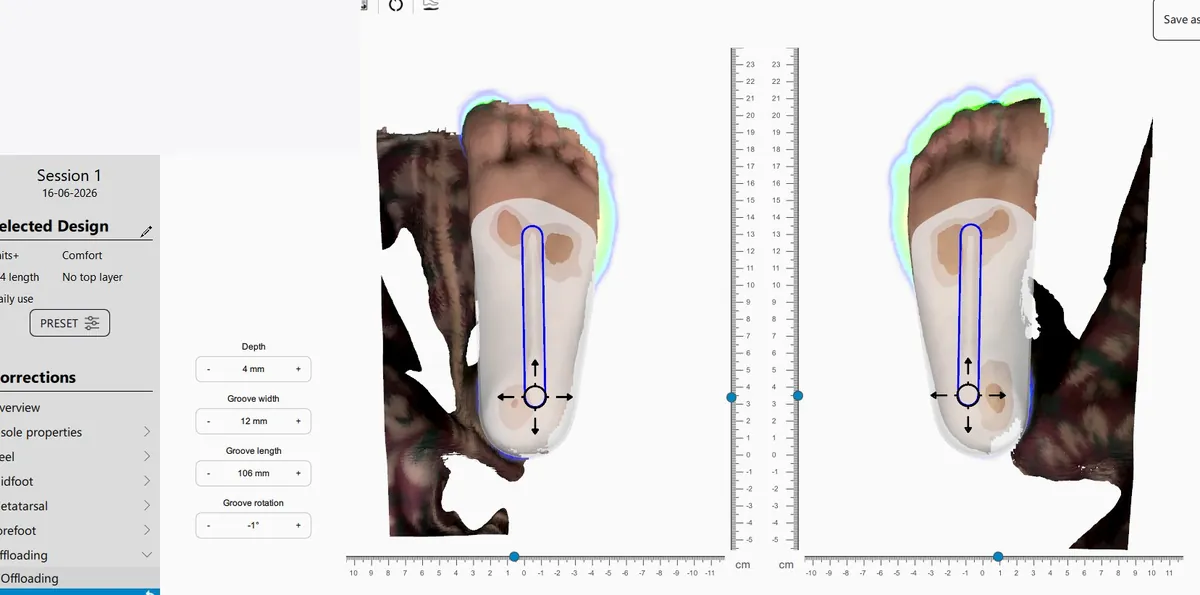
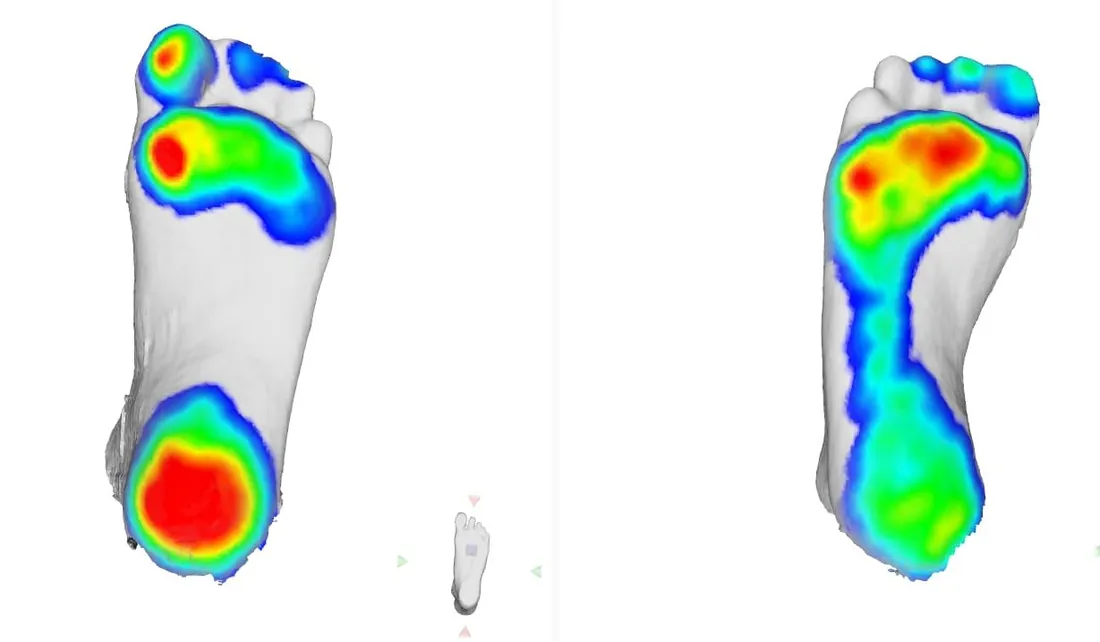
- Footscan: a Materialise Footscan pressure plate shows where pressure is high and how long it stays there while you stand and walk. This helps identify areas to offload. A foot scan is not a diagnosis and does not replace medical screening.
- Footwear review: depth, width, seams and fastening.
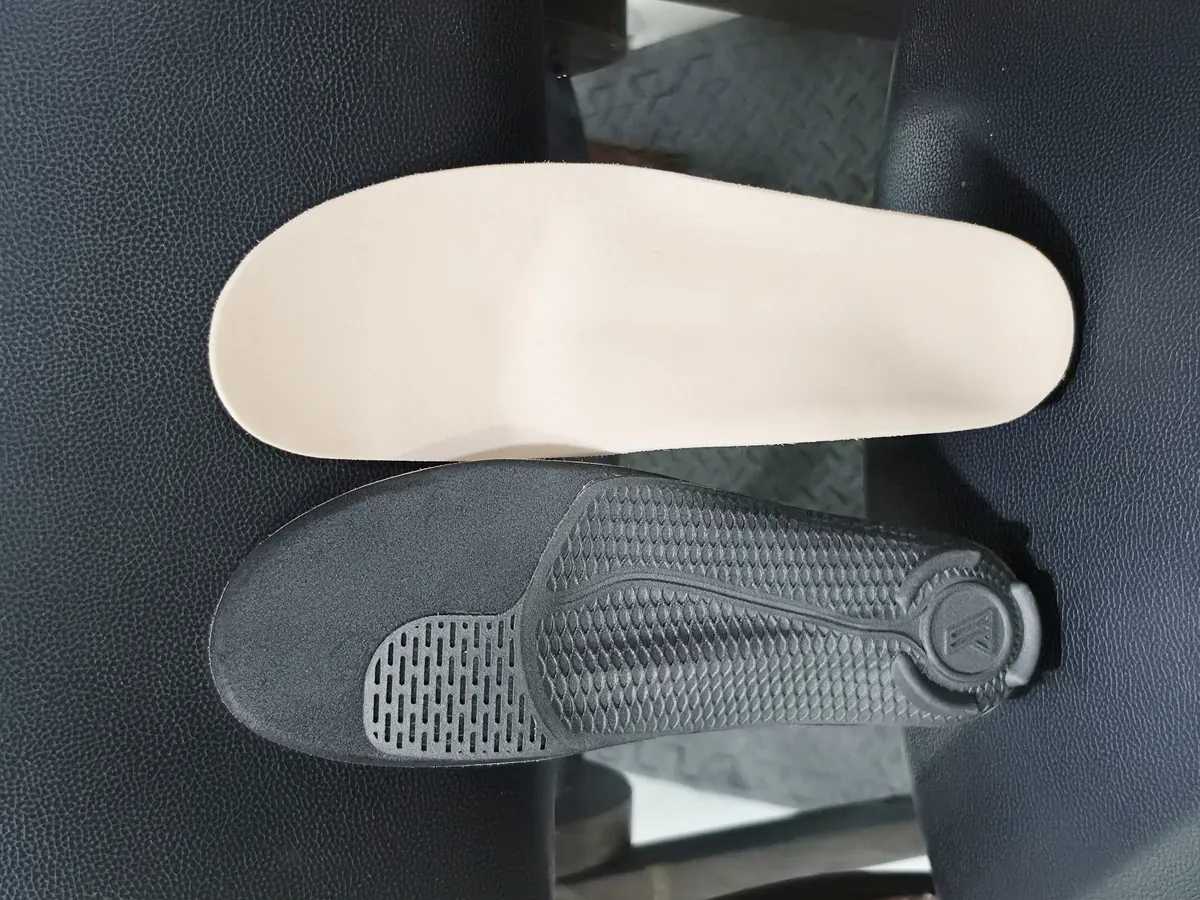
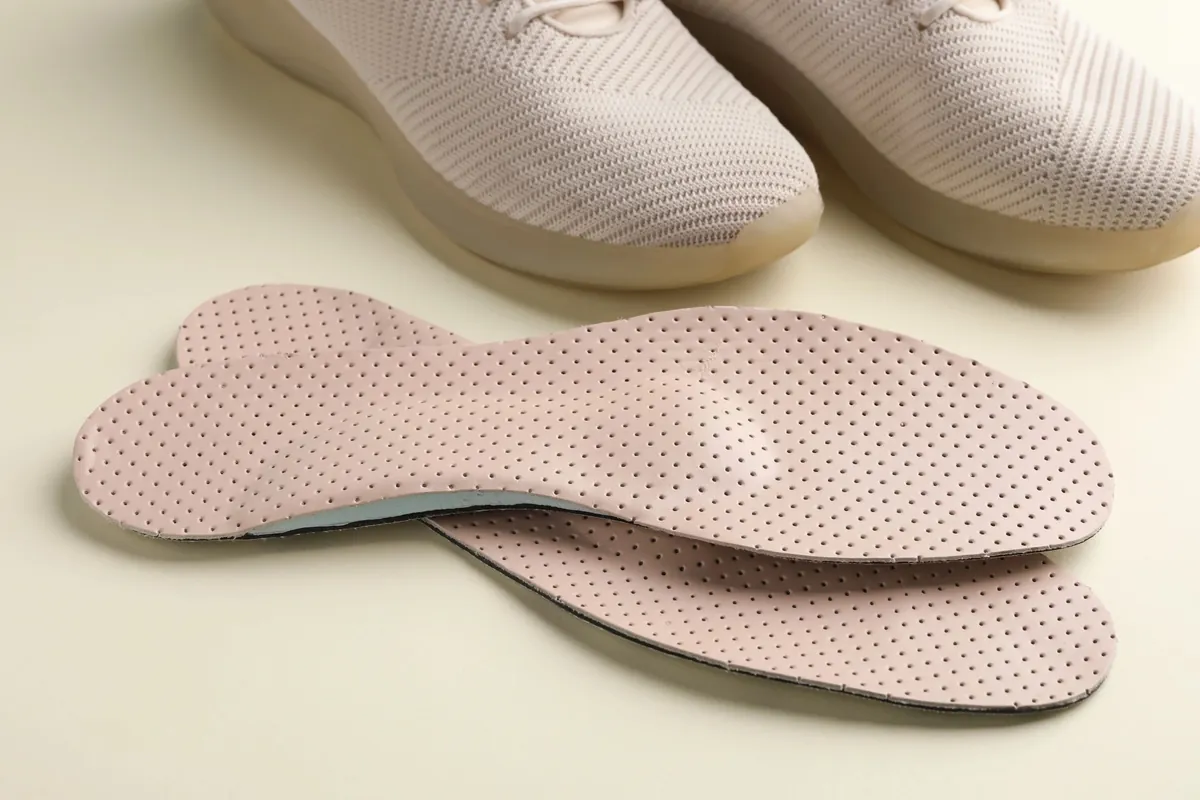
Where suitable, PHITS 3D-printed insoles can be designed to spread pressure away from high-risk areas, with a pressure-holding PU top cover rather than a soft foam that flattens. Metatarsal support and local offloading can be added based on the scan and examination.
Offloading footwear
When a specific area needs protection, for example after a wound has healed or when your doctor advises offloading, specialised footwear may be recommended. We fit DARCO offloading and post-operative shoes as prescribed; see DARCO products in Delhi NCR.
Daily foot care tips
- Check your feet every day, including between the toes and the soles (use a mirror, or ask a family member).
- Wash and dry carefully, especially between the toes; moisturise the skin but not between the toes.
- Never walk barefoot, even at home.
- Check inside your shoes before putting them on.
- Cut nails straight across; don't cut corns or calluses yourself.
- Wear seamless, well-fitting socks.
- Keep regular appointments with your diabetes team and get your feet screened.
Follow-up matters
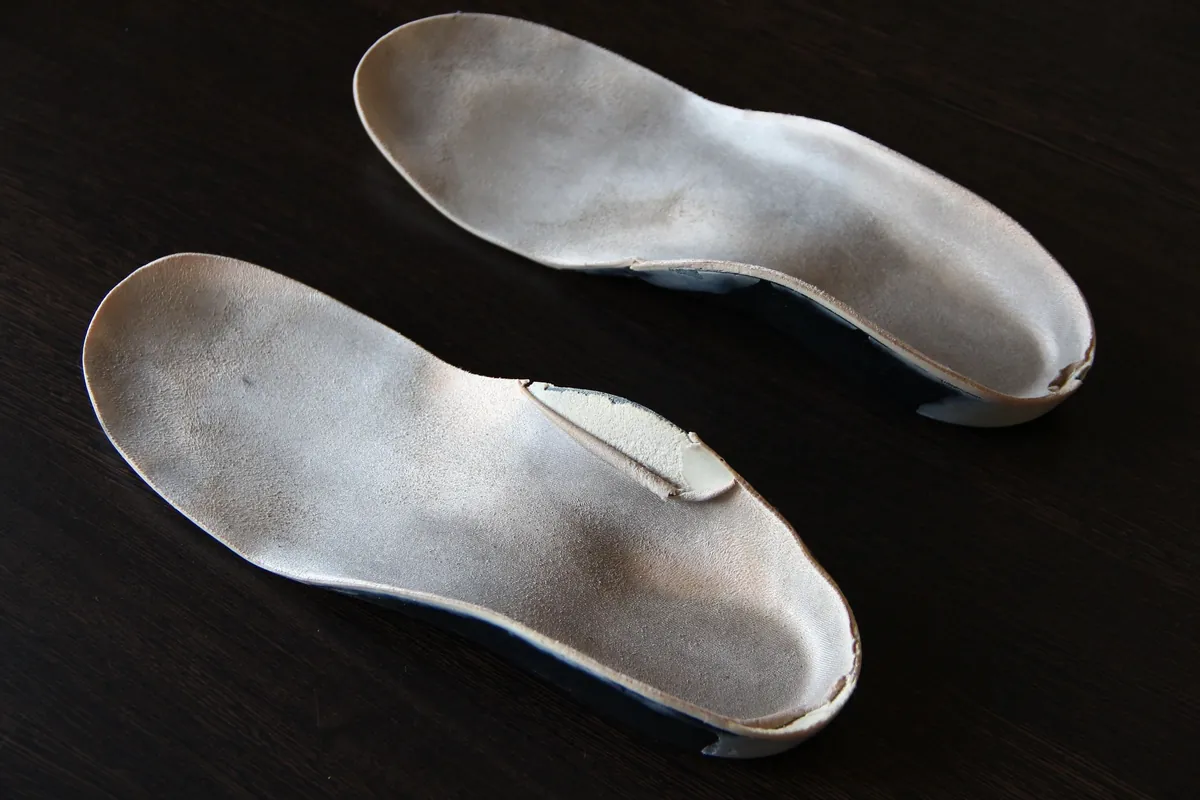
New insoles should be worn in gradually, with frequent skin checks for redness. We review fit and pressure areas, and replace covers when they wear. Insoles support diabetic foot care; they do not cure neuropathy or prevent every problem, which is why daily checks and medical follow-up remain essential.
Related reading: diabetic foot care at P.O.R.C · senior citizens' feet · PHITS insole modifications.
Book an assessment in Delhi NCR
Footscan and PHITS custom insoles are made from our Safdarjung Enclave clinic. You can also start with a consultation at our hospital desks; please call to confirm timings.
- P.O.R.C Safdarjung Enclave: 42 Ground Floor, Street No. 1, Opp. Baba Balak Nath Mandir, Krishna Nagar, New Delhi 110029 (Monday to Saturday, 10am to 7pm)
- P.O.R.C at Apollo Hospital, Sarita Vihar
- P.O.R.C at BLK-Max Super Speciality Hospital, Pusa Road
Call 9810006111 or WhatsApp 9811706111. Serving patients in Delhi NCR since 1988.