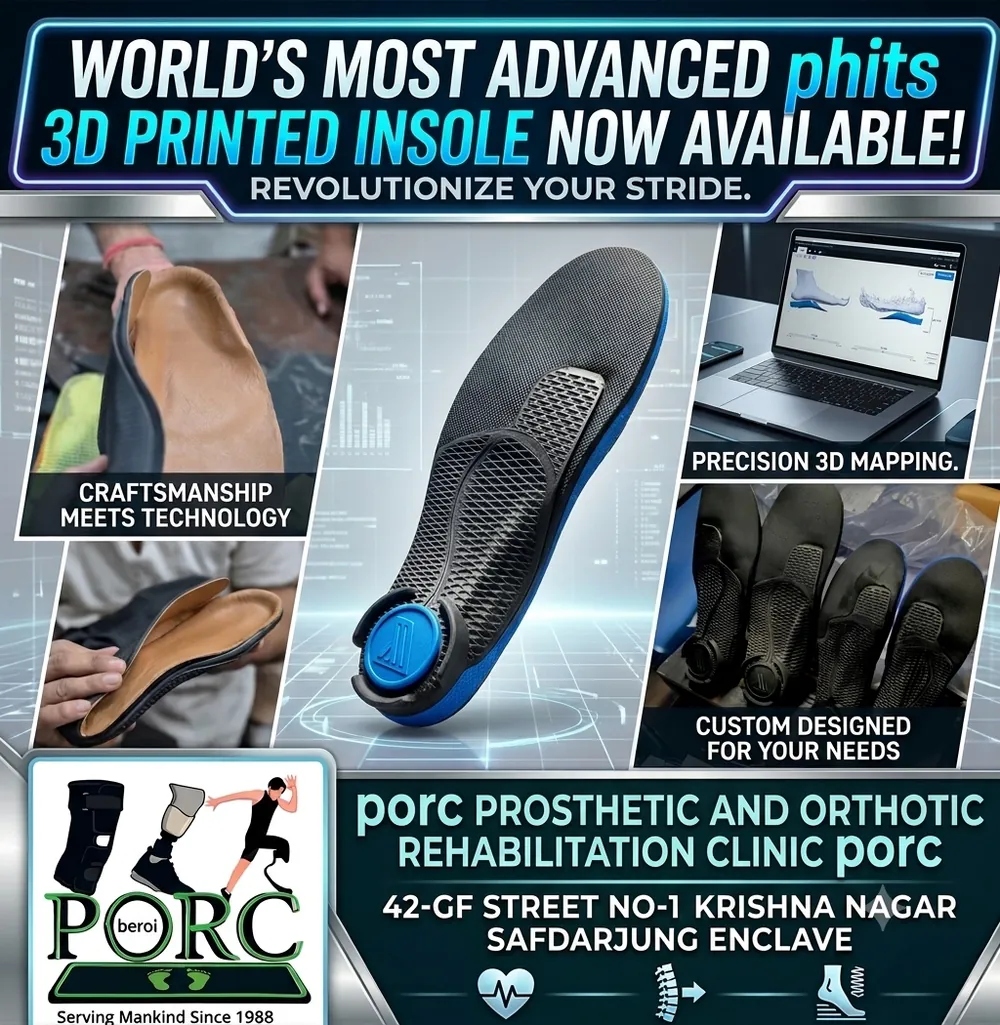
If you search for custom insoles in Delhi NCR, you will find everything from gel inserts at a chemist to moulded insoles made in a workshop and 3D-printed insoles designed from a pressure scan. The materials differ, and so do the way they are made, how they feel and how long they last. This guide compares PHITS 3D-printed insoles with common TPU, PVC and EVA insoles, so you can ask the right questions.
No material is "best" for everyone. The right choice depends on your feet, your condition, your shoes and your activity, which is why a clinical assessment and Footscan come first.
The main insole materials
EVA (ethylene-vinyl acetate)
EVA is a foam used in many shoe midsoles and insoles. It comes in different densities (softer or firmer).
- Pros: light, cushioning, easy to shape by heat or grinding, affordable, widely used as a top cover.
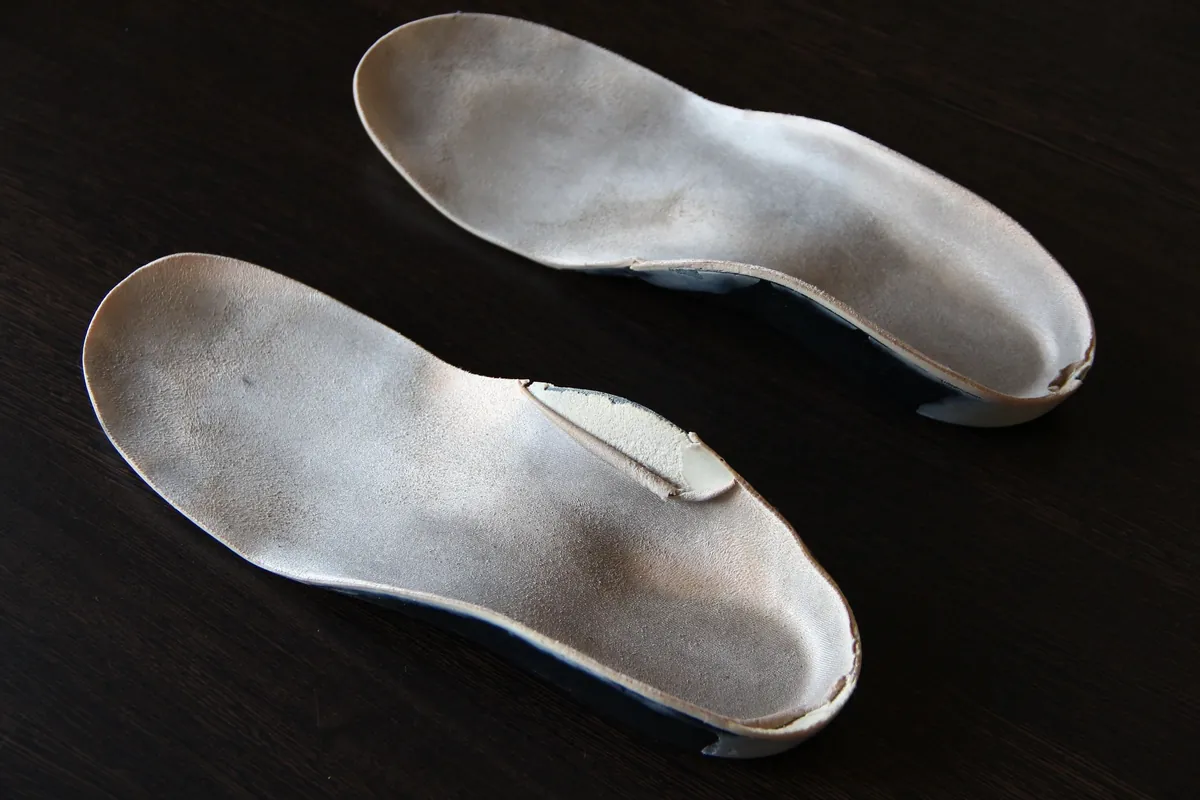
- Cons: softer EVA compresses over time and can lose its support and cushioning; it may need replacing sooner with heavy use.
- Typical use: comfort insoles, top covers, moulded custom insoles.
TPU (thermoplastic polyurethane)
TPU is a tough, flexible plastic used for insole shells and heel cups, sometimes combined with foams.
- Pros: durable, resilient, can provide firm control in a thin shell.
- Cons: can feel firm; shaping is limited by the manufacturing method; a generic TPU shell may not match your foot.
- Typical use: semi-rigid shells, sports insoles, heel stabilisers.
PVC (polyvinyl chloride)
PVC is found in some low-cost moulded insoles and gel-type inserts.
- Pros: inexpensive, readily available.
- Cons: can be heavier, less breathable, and less adjustable; ready-made shapes are generic rather than designed for your foot.
- Typical use: off-the-shelf inserts.
PHITS 3D-printed nylon
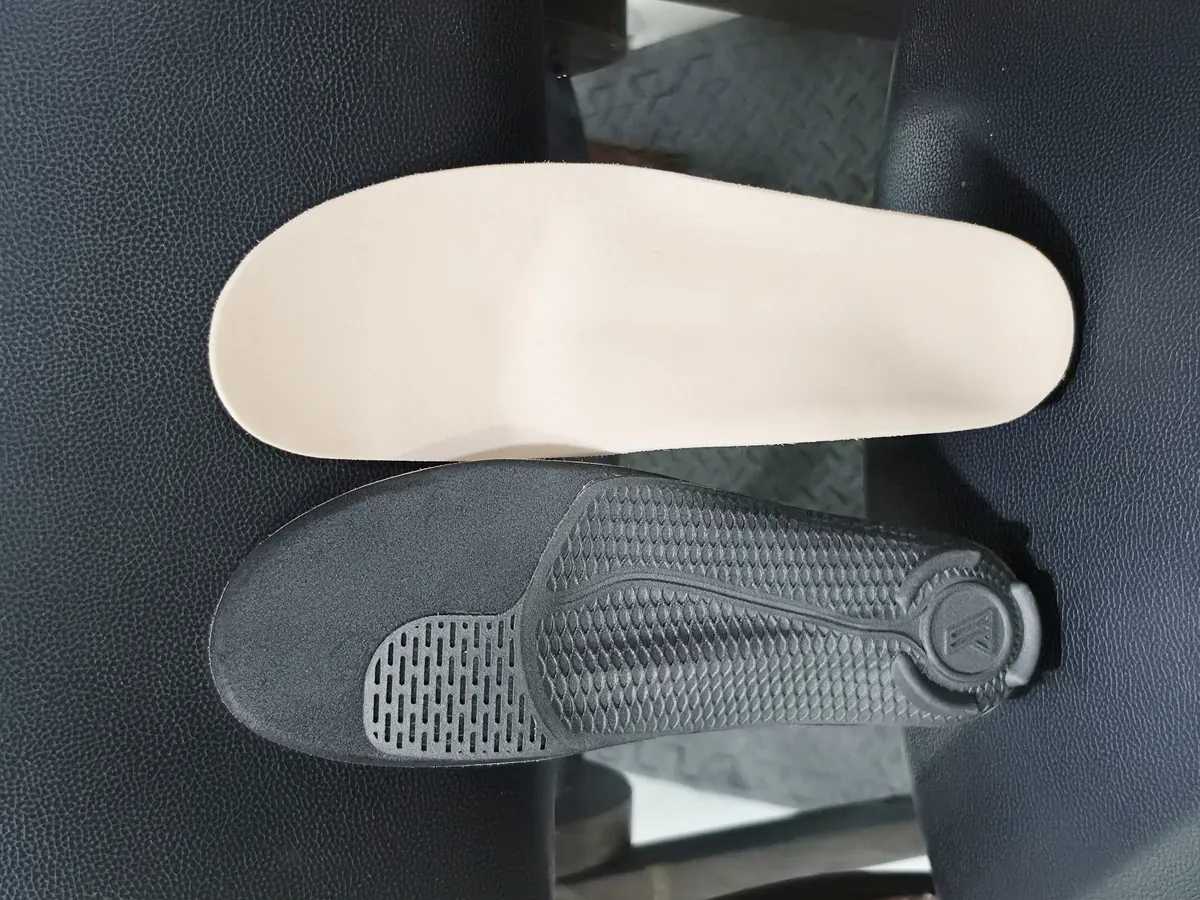
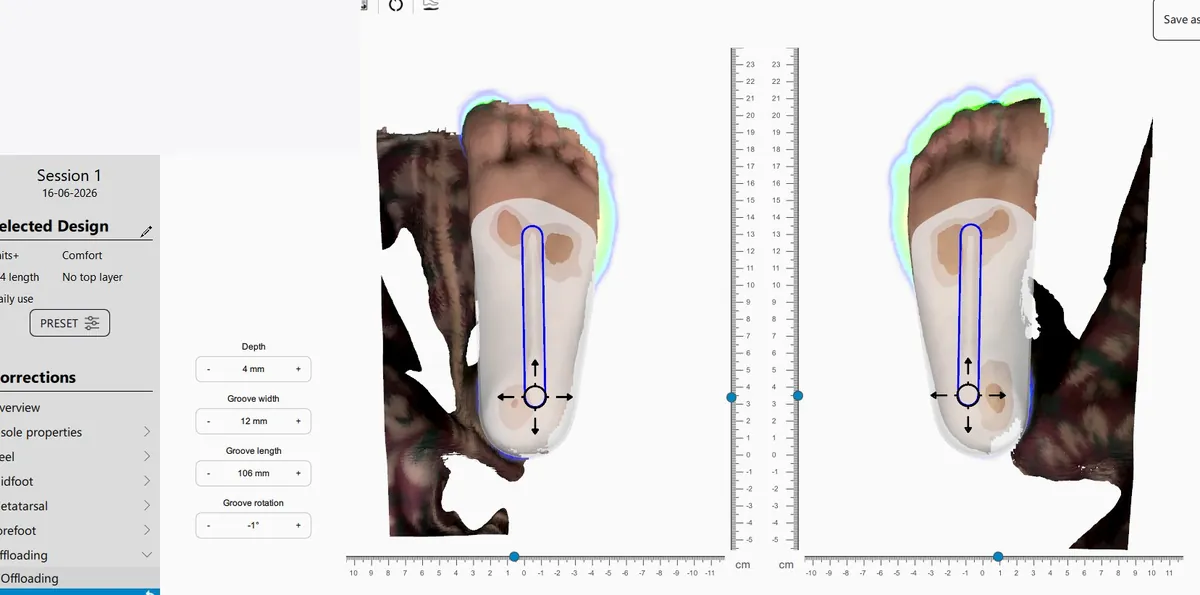
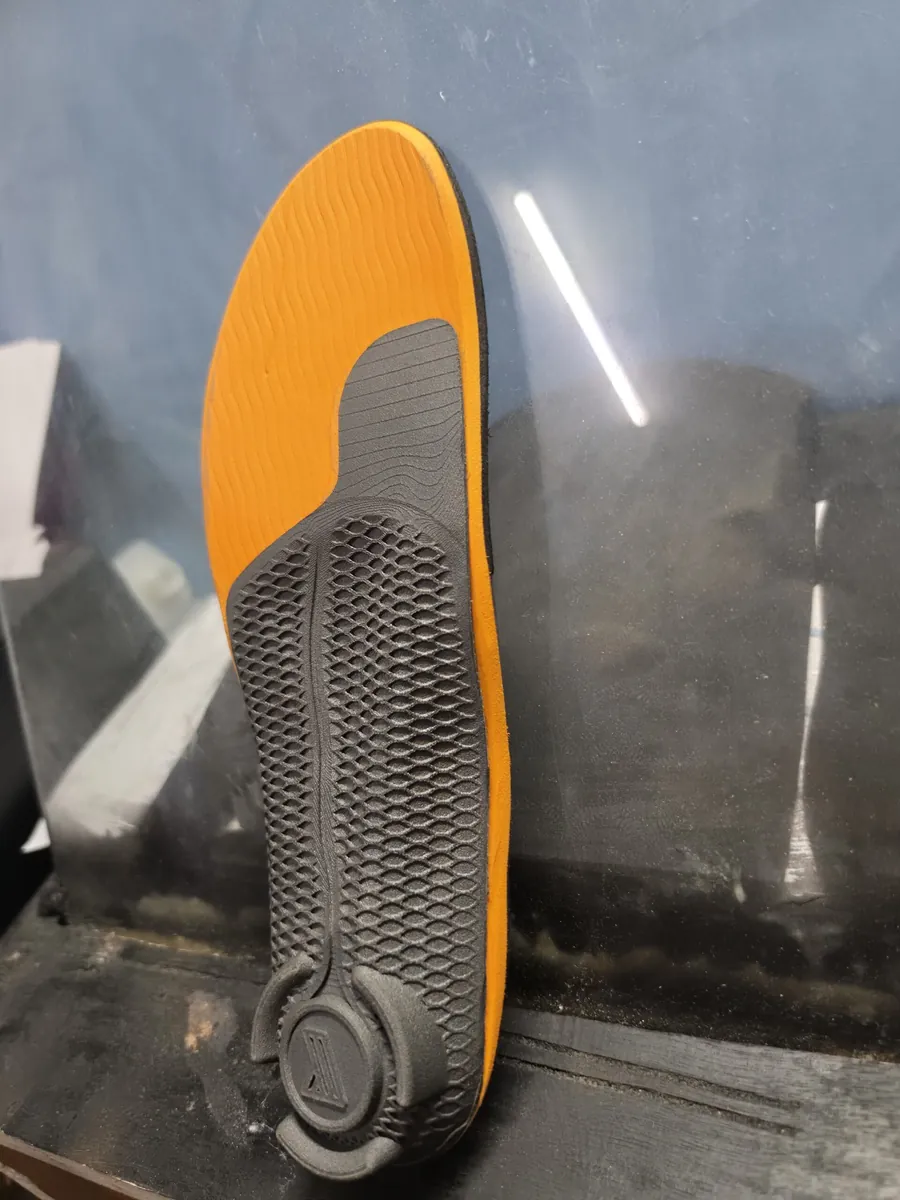
PHITS insoles are designed on a computer from Materialise Footscan pressure data and a clinical examination, then 3D-printed in a thin, light PA12 nylon lattice. An EVA or PU top cover is added for cushioning.
- Pros: very thin and light; stiffness can be varied in different zones of the same insole; design is based on your walking data; accurate replicas can be made from the order record; fits a wide range of shoes including tight dress and sports shoes.
- Cons: requires a scan appointment; top covers still wear and need replacing; not every foot needs this level of customisation.
- Typical use: everyday, work, running, cycling, ski and safety shoes; heel pain, flat feet, high arches, forefoot pain.
Quick comparison
| EVA | TPU | PVC | PHITS 3D | |
|---|---|---|---|---|
| Weight | Light | Moderate | Heavier | Very light |
| Thickness | Varies | Thin shell | Varies | Very thin base |
| Custom to your foot? | If moulded | Sometimes | Rarely | Designed from scan |
| Zonal stiffness | Limited | Limited | No | Yes |
| Durability | Softer grades compress | Good | Moderate | Base durable; cover wears |
| Best for | Cushioning, covers | Firm control | Budget inserts | Data-guided correction |
How to choose
- Start with an assessment. Pain, a medical condition, diabetes or a sports injury deserve a proper examination first. A foot scan is not a diagnosis; it guides the design.
- Think about your shoes. An insole must fit the shoe you actually wear. Thin designs matter for dress and safety shoes.
- Match the material to the job. Cushioning for thinning fat pads, firmer control for excessive pronation, pressure-holding covers for diabetic feet.
- Ask about follow-up and replacement. Covers wear first; supports should be reviewed every 12 to 18 months.
What insoles can and cannot do
Any insole, however advanced, supports comfort and how load is shared. Insoles do not cure plantar fasciitis, arthritis or diabetic foot problems. They work best alongside good footwear, exercise and the treatment your doctor recommends.
Related reading: PHITS insole modifications · plantar fasciitis and PHITS · shoes and custom arch insoles.
Book an assessment in Delhi NCR
Footscan and PHITS custom insoles are made from our Safdarjung Enclave clinic. You can also start with a consultation at our hospital desks; please call to confirm timings.
- P.O.R.C Safdarjung Enclave: 42 Ground Floor, Street No. 1, Opp. Baba Balak Nath Mandir, Krishna Nagar, New Delhi 110029 (Monday to Saturday, 10am to 7pm)
- P.O.R.C at Apollo Hospital, Sarita Vihar
- P.O.R.C at BLK-Max Super Speciality Hospital, Pusa Road
Call 9810006111 or WhatsApp 9811706111. Serving patients in Delhi NCR since 1988.