
Custom orthotics do not come with a universal expiry date. The right time for review depends on wear, changes in your feet, the footwear you use and whether the original treatment goals still make sense.
Look for a change, not just an anniversary
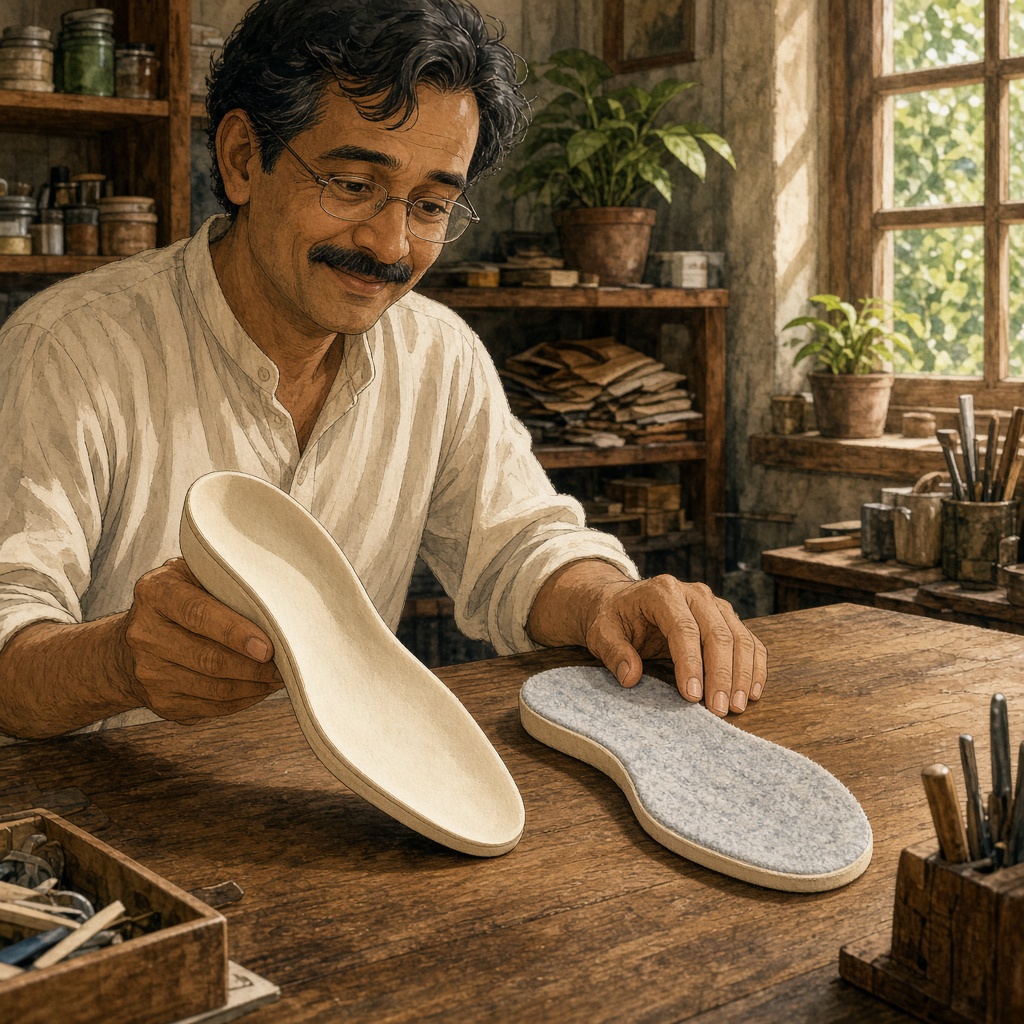
A damaged edge, lifting cover, new pressure point or loss of comfortable fit can justify a review. A new medical diagnosis, injury, substantial activity change or a growing child can also change the picture. Some surface components may wear before the structural shell does. Conversely, a device that looks tidy may no longer match the clinical need. Appearance alone cannot decide whether a replacement or a different treatment is appropriate.
Bring the whole history
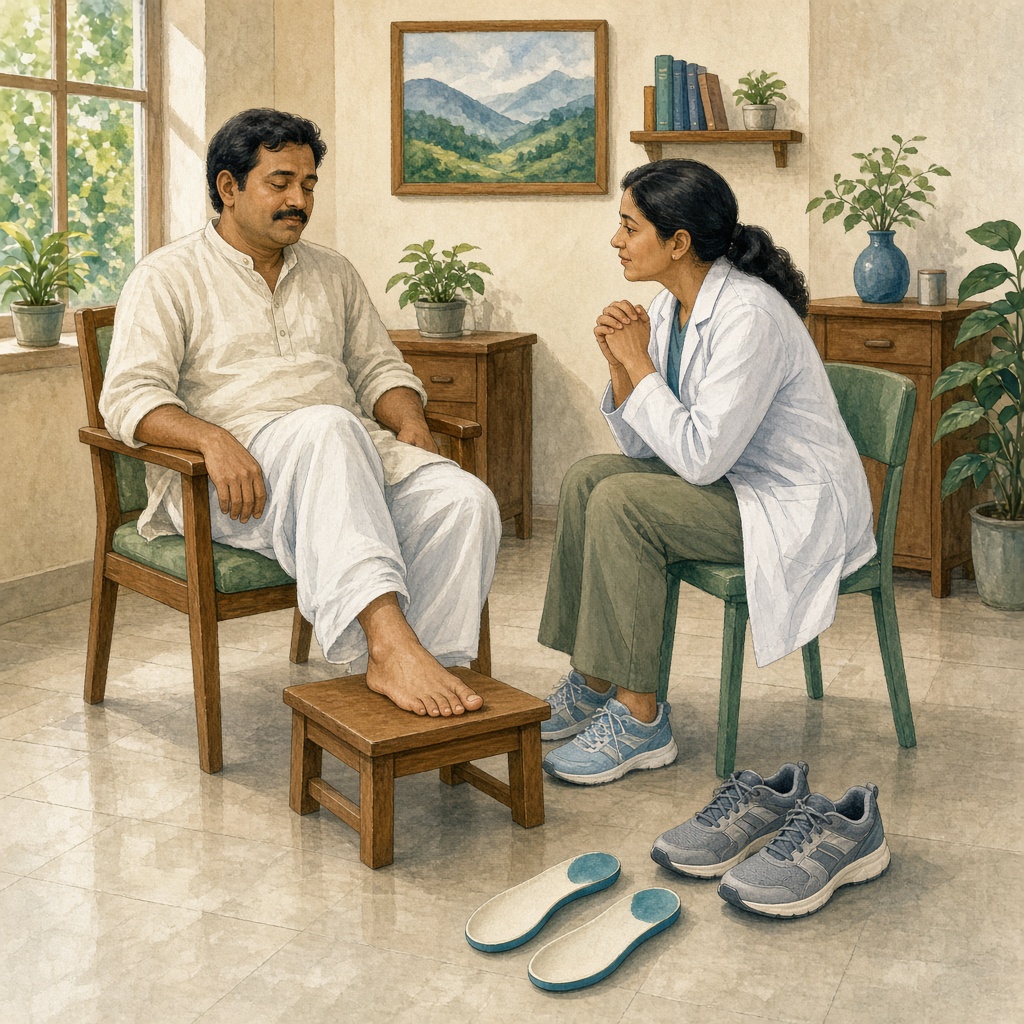
Explain how often you wear the orthotics, what shoes they go into and whether anything has changed since fitting. If discomfort returned after switching footwear, that detail matters. Bring the old device rather than ordering a copy without discussion. Your clinician can inspect the materials, examine your feet and decide whether care, a permitted repair, a prescription change or a replacement is the sensible next step. Not every concern requires a completely new pair.
Avoid guarantees based on printing
Three-dimensional printing does not make an insole indestructible, nor does it prove that it needs annual replacement. The lifespan varies with use and the specific construction. Ask about manufacturer guidance, cover maintenance, review arrangements and any warranty directly at the clinic. If a structural crack or rough edge appears, stop and seek advice rather than taping it and continuing long walks. A familiar device still needs occasional attention to safety and fit.
Where Footscan and PHITS fit at P.O.R.C
P.O.R.C — Prosthetic & Orthotic Rehabilitation Clinic — has been serving since 1988. For people exploring custom insoles in Delhi, the clinic uses Footscan and PHITS 3D-printed insoles as part of an individual assessment pathway. A scan is not a diagnosis. It can add loading information to the clinical picture, but it does not by itself establish that you need an orthotic or predict the result.
If you are considering 3D printed orthotics in South Delhi or elsewhere in Delhi NCR, start with the problem you want help with rather than requesting a particular contour. Your symptoms, medical history, examination, footwear and activities help determine the next step. The team may discuss a prescribed device, simpler support, footwear changes, rehabilitation or a medical referral. Outcomes vary, and no insole should be presented as a guaranteed cure.
Read about Footscan and custom insoles before your visit. For local access, see Apollo Sarita Vihar. P.O.R.C also has branch information for Safdarjung Enclave, Apollo Sarita Vihar and BLK-Max. Confirm the appointment location and service arrangements with the clinic; a branch page is not a promise of walk-in availability.
Short FAQ
Do all printed orthotics need replacing every year?
No. Review should consider clinical need and actual condition rather than a universal calendar rule.
Can a Footscan explain every cause of foot pain?
No. Pressure information is one part of an assessment. Some symptoms need medical examination or other investigations before an orthotic is considered.
What should I bring to a review?
Bring the shoes and socks you actually use, your current inserts if any, relevant reports and a short account of your symptoms. Ask about the intended goal, alternatives, care instructions and follow-up before committing to a device.
This article is general education, not a diagnosis or personalised treatment advice. Seek prompt medical help for severe or sudden symptoms, a wound, or a hot swollen foot, especially with diabetes or reduced sensation.