An inexpensive insert can be a sensible first step for some people. Custom does not automatically mean better for every foot. The useful question is whether your symptoms, footwear and examination suggest a need for a more individual prescription.
What makes an orthotic custom?
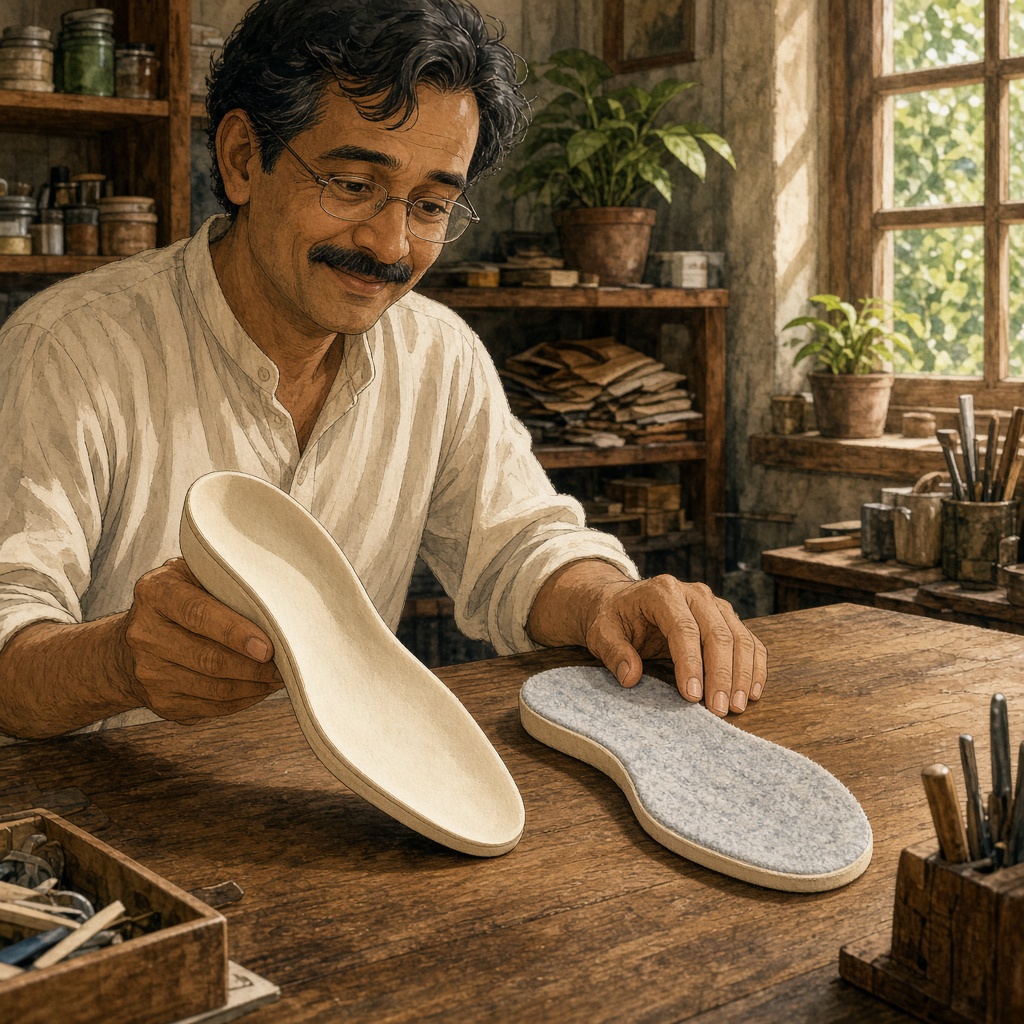
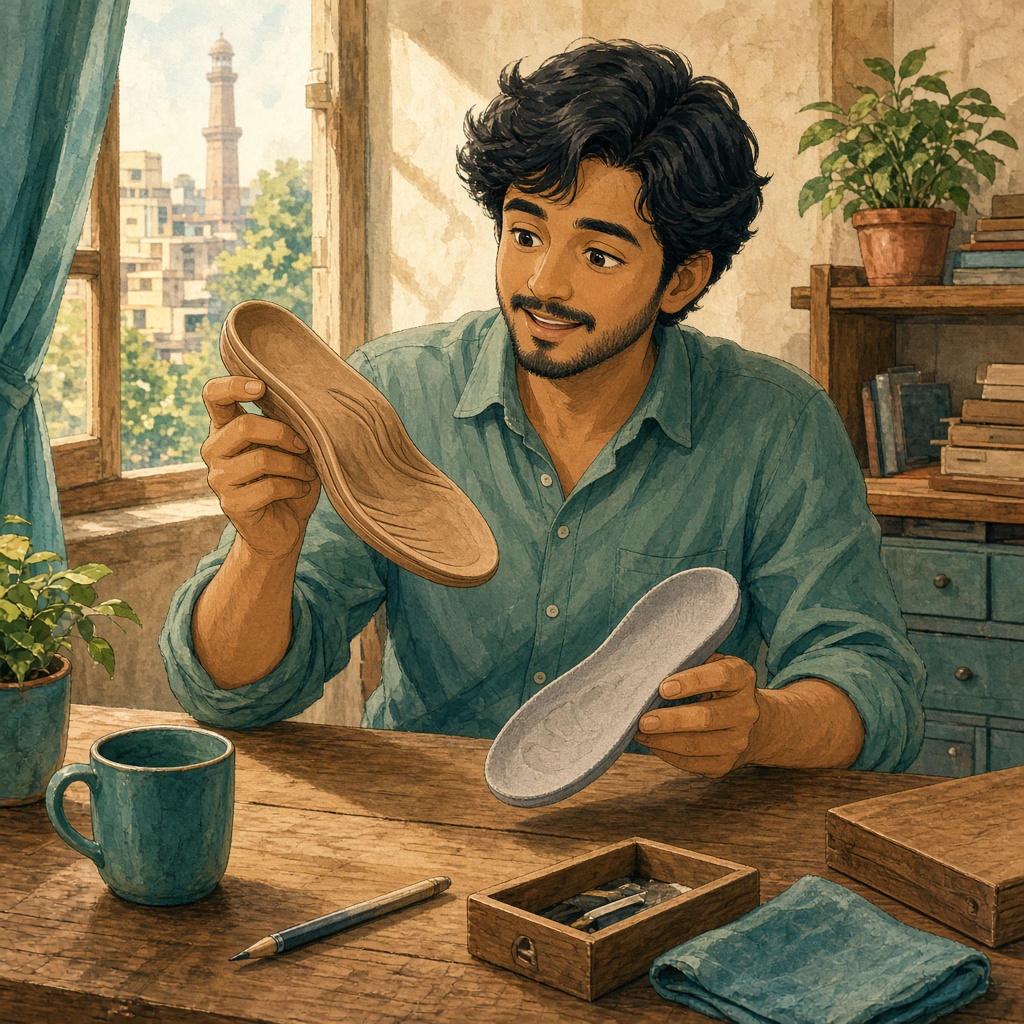
A shop-bought insole offers a standard shape, usually selected by shoe size and perhaps arch height. A custom orthotic is prescribed around an individual assessment. The contour, support and accommodation can differ between people and between the two feet. Three-dimensional printing is a manufacturing method, not a diagnosis or a guarantee of pain relief. At P.O.R.C, Footscan findings can inform a PHITS prescription when custom support is appropriate.
When is a simpler option reasonable?
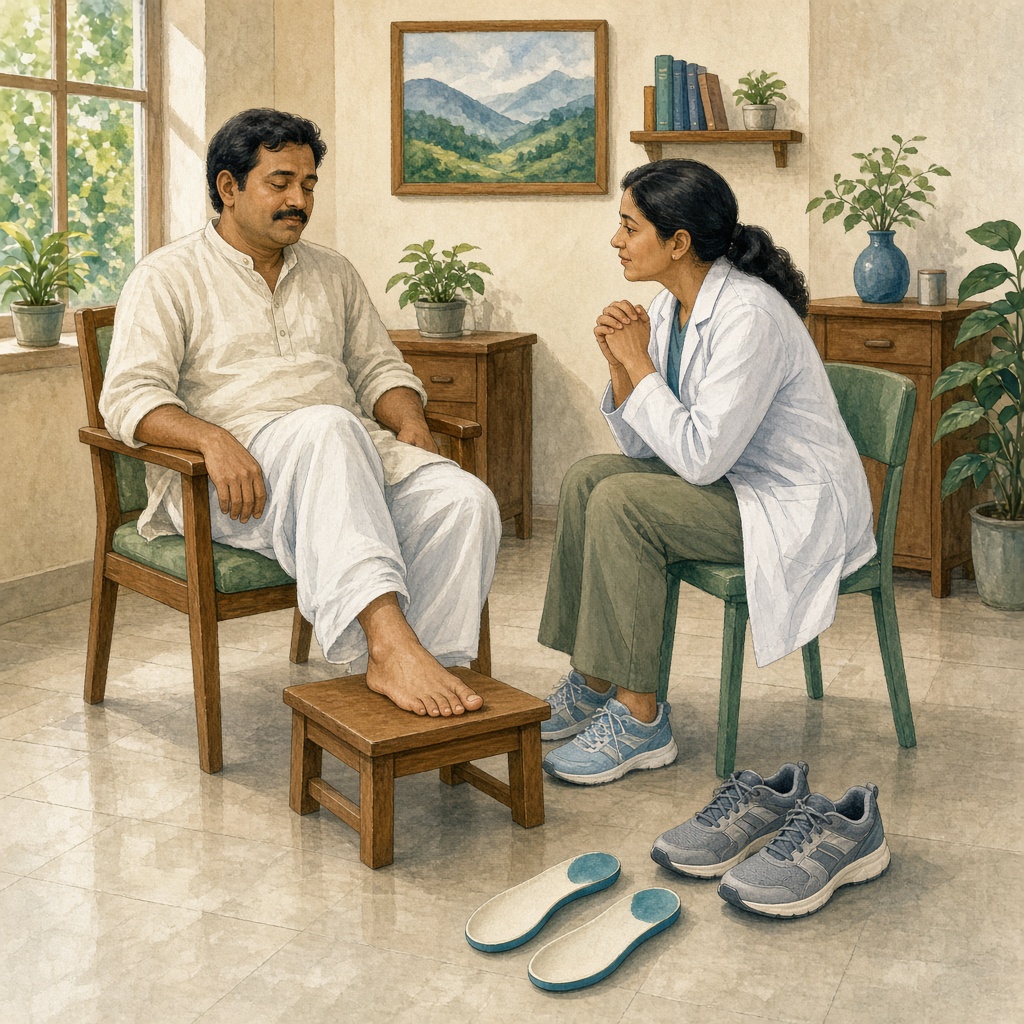
For mild, short-lived discomfort without warning signs, suitable shoes and a well-fitting standard insert may be enough. A review becomes more useful when symptoms persist, one foot behaves differently, pressure repeatedly affects the same area, or several inserts have already failed. Someone with diabetes or reduced sensation should not choose an insert solely by how comfortable it feels. Clinical risk assessment matters more than the price tag or the softness of the foam.
Compare the plan, not just the product
Ask what problem each option is intended to address, how it fits your usual shoes and what happens if it is uncomfortable. Ask whether exercises, a footwear change or medical evaluation should come first. A more expensive device without a clear purpose is not a better decision. Keep the packaging and fitting information for any insert you try, and avoid combining several arch supports inside one shoe.
Where Footscan and PHITS fit at P.O.R.C
P.O.R.C — Prosthetic & Orthotic Rehabilitation Clinic — has been serving since 1988. For people exploring custom insoles in Delhi, the clinic uses Footscan and PHITS 3D-printed insoles as part of an individual assessment pathway. A scan is not a diagnosis. It can add loading information to the clinical picture, but it does not by itself establish that you need an orthotic or predict the result.
If you are considering 3D printed orthotics in South Delhi or elsewhere in Delhi NCR, start with the problem you want help with rather than requesting a particular contour. Your symptoms, medical history, examination, footwear and activities help determine the next step. The team may discuss a prescribed device, simpler support, footwear changes, rehabilitation or a medical referral. Outcomes vary, and no insole should be presented as a guaranteed cure.
Read about Footscan and custom insoles before your visit. For local access, see Safdarjung Enclave. P.O.R.C also has branch information for Safdarjung Enclave, Apollo Sarita Vihar and BLK-Max. Confirm the appointment location and service arrangements with the clinic; a branch page is not a promise of walk-in availability.
A useful next step
Before a consultation, write down the one activity you most want to do more comfortably and the question this guide raises for you. Ask the clinician to relate any proposed prescription to that goal. Keep a note of agreed instructions so you can describe your experience accurately at follow-up. Do not adjust the device yourself if the plan is unclear; contact the treating team for advice.
Short FAQ
Is custom always the best choice?
No. The right option depends on clinical need, shoe fit and response to simpler measures.
Can a Footscan explain every cause of foot pain?
No. Pressure information is one part of an assessment. Some symptoms need medical examination or other investigations before an orthotic is considered.
What should I bring to a review?
Bring the shoes and socks you actually use, your current inserts if any, relevant reports and a short account of your symptoms. Ask about the intended goal, alternatives, care instructions and follow-up before committing to a device.
This article is general education, not a diagnosis or personalised treatment advice. Seek prompt medical help for severe or sudden symptoms, a wound, or a hot swollen foot, especially with diabetes or reduced sensation.