
An X-ray report mentioning a heel spur can be worrying. A visible bony spur does not by itself explain every case of heel pain, and an orthotic does not dissolve or remove that bone.
Treat the person, not the X-ray label
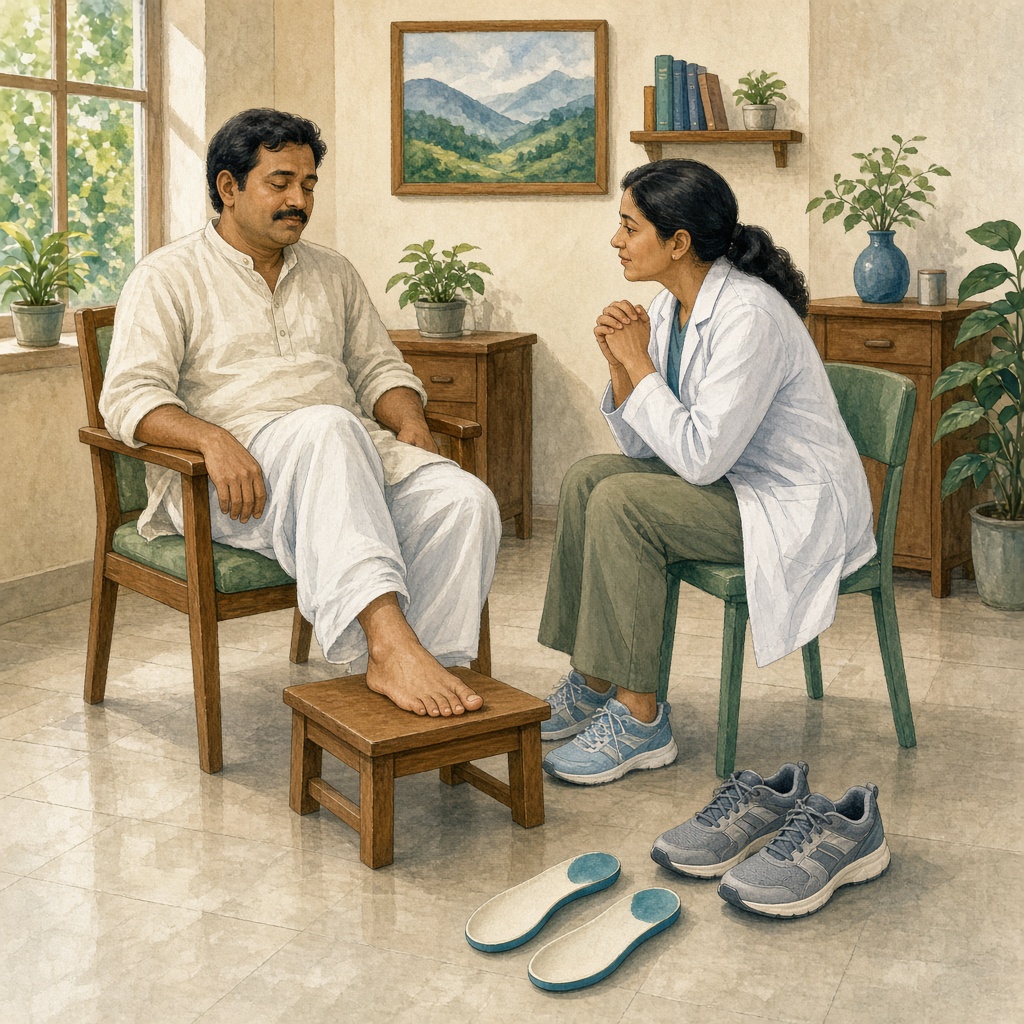
Heel discomfort can involve the plantar fascia, fat pad, nerves, an injury or other structures. Some people have a spur without symptoms, while others have heel pain without that finding. The history and examination help establish what needs attention. Tell the clinician about first-step discomfort, activity changes and pain at rest rather than assuming the X-ray has answered every question. Additional investigation is a medical decision, not something determined by a pressure map alone.
Support is one possible part of a plan
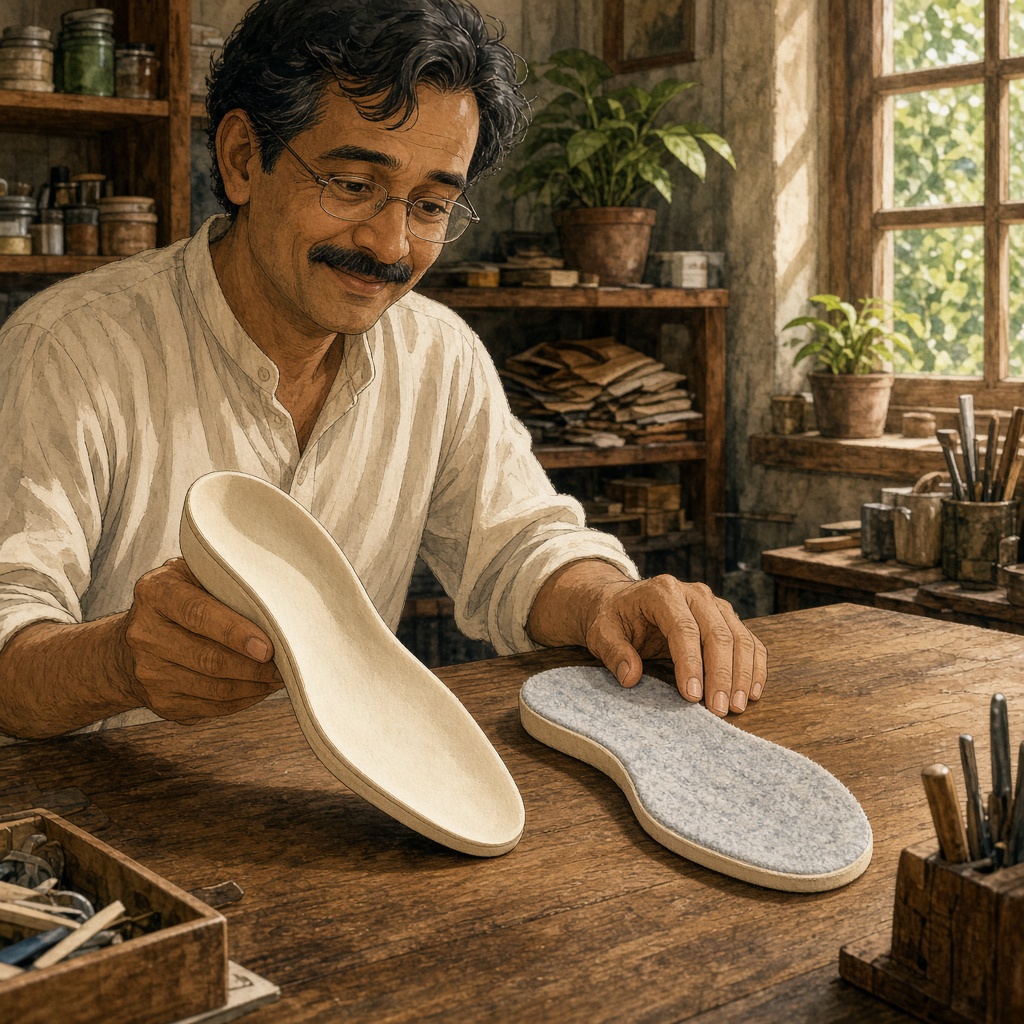
For selected mechanical symptoms, an orthotic may help redistribute pressure or make activity more tolerable. Suitable footwear, guided rehabilitation and changes to loading may also matter. Footscan information can contribute to a PHITS prescription when indicated, but neither scanning nor printing guarantees a result. The goal is better comfort and function where achievable—not a claim that a custom insert has removed a spur or repaired every painful tissue.
Be cautious about quick-fix messages
Claims of instant spur correction or permanent pain elimination deserve scepticism. Ask what diagnosis is being treated, how progress will be assessed and what to do if symptoms continue. Sudden severe pain, inability to bear weight, marked swelling, fever or an injury needs medical assessment. People with diabetes should act promptly on new foot changes. Clear expectations make it easier to judge whether an orthotic is a sensible addition to the wider treatment plan.
Where Footscan and PHITS fit at P.O.R.C
P.O.R.C — Prosthetic & Orthotic Rehabilitation Clinic — has been serving since 1988. For people exploring custom insoles in Delhi, the clinic uses Footscan and PHITS 3D-printed insoles as part of an individual assessment pathway. A scan is not a diagnosis. It can add loading information to the clinical picture, but it does not by itself establish that you need an orthotic or predict the result.
If you are considering 3D printed orthotics in South Delhi or elsewhere in Delhi NCR, start with the problem you want help with rather than requesting a particular contour. Your symptoms, medical history, examination, footwear and activities help determine the next step. The team may discuss a prescribed device, simpler support, footwear changes, rehabilitation or a medical referral. Outcomes vary, and no insole should be presented as a guaranteed cure.
Read about Footscan and custom insoles before your visit. For local access, see Safdarjung Enclave. P.O.R.C also has branch information for Safdarjung Enclave, Apollo Sarita Vihar and BLK-Max. Confirm the appointment location and service arrangements with the clinic; a branch page is not a promise of walk-in availability.
Short FAQ
Can PHITS insoles remove a heel spur?
No. An orthotic may help selected symptoms but does not remove a bony spur.
Can a Footscan explain every cause of foot pain?
No. Pressure information is one part of an assessment. Some symptoms need medical examination or other investigations before an orthotic is considered.
What should I bring to a review?
Bring the shoes and socks you actually use, your current inserts if any, relevant reports and a short account of your symptoms. Ask about the intended goal, alternatives, care instructions and follow-up before committing to a device.
This article is general education, not a diagnosis or personalised treatment advice. Seek prompt medical help for severe or sudden symptoms, a wound, or a hot swollen foot, especially with diabetes or reduced sensation.