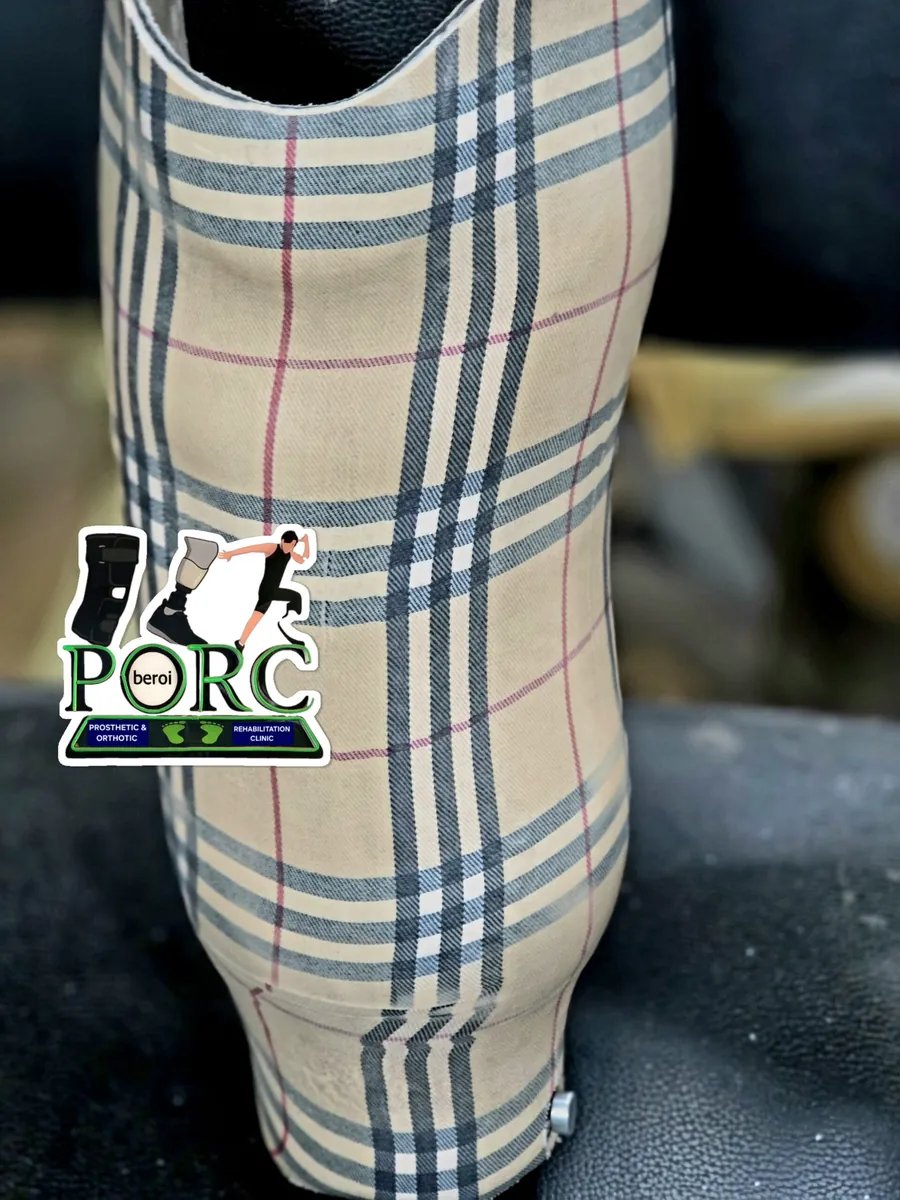
Recovering from an amputation is a deeply personal and physically demanding journey. Alongside healing from surgery, patients and families face many questions: how to look after the residual limb (often called the stump), when a prosthesis can be fitted, and which type is right. At P.O.R.C, we have supported patients across Delhi NCR through this process since 1988.
This guide covers the basics of stump care and the prosthesis options available. It is general information; always follow the advice of your surgeon and rehabilitation team.
The first weeks after surgery
In the early weeks, the priorities are wound healing, pain control and preventing complications. Your surgical team will guide dressing care and when stitches or staples come out. During this time:
- Keep the wound clean and dry as advised.
- Watch for warning signs: increasing redness, swelling, warmth, discharge, a bad smell, fever or worsening pain. Contact your doctor promptly.
- Positioning: avoid long periods with the knee or hip bent (for example, a pillow under the knee), which can cause joint tightness that makes prosthetic walking harder.
- Keep moving the joints above the amputation as your physiotherapist advises.
Shaping the residual limb
After surgery, the limb is usually swollen. Before a prosthesis can be fitted, the swelling needs to reduce and the limb needs to take a more stable, tapered shape. This is typically done with:
- Compression bandaging (applied correctly, in a figure-of-eight pattern, never too tight at the top)
- Shrinker socks: elastic compression garments that are easier to use than bandages
- Silicone liners in some cases, as advised
Limb volume continues to change for months, which is why sockets often need adjusting in the first year.
Daily stump care
- Inspect the skin every day for redness, blisters, sores or colour changes; use a mirror or ask a family member.
- Wash daily with mild soap and water, rinse and dry thoroughly; do this at night so the skin is fully dry before wearing a prosthesis.
- Avoid creams or lotions under a liner unless recommended.
- Clean liners and socks daily as instructed.
- Massage and desensitise the limb once healed, as your therapist advises, to reduce sensitivity.
Phantom sensations and phantom pain are common. Discuss them with your doctor; there are treatments that can help.
Prosthetic socks
Prosthetic socks cushion the limb and help manage the fit as limb volume changes during the day. Socks come in different thicknesses (plies). Adding or removing a sock can improve fit, but if you regularly need many socks, or the fit changes a lot, the socket may need review. We supply and advise on prosthetic socks sized to your limb.
Prosthesis options
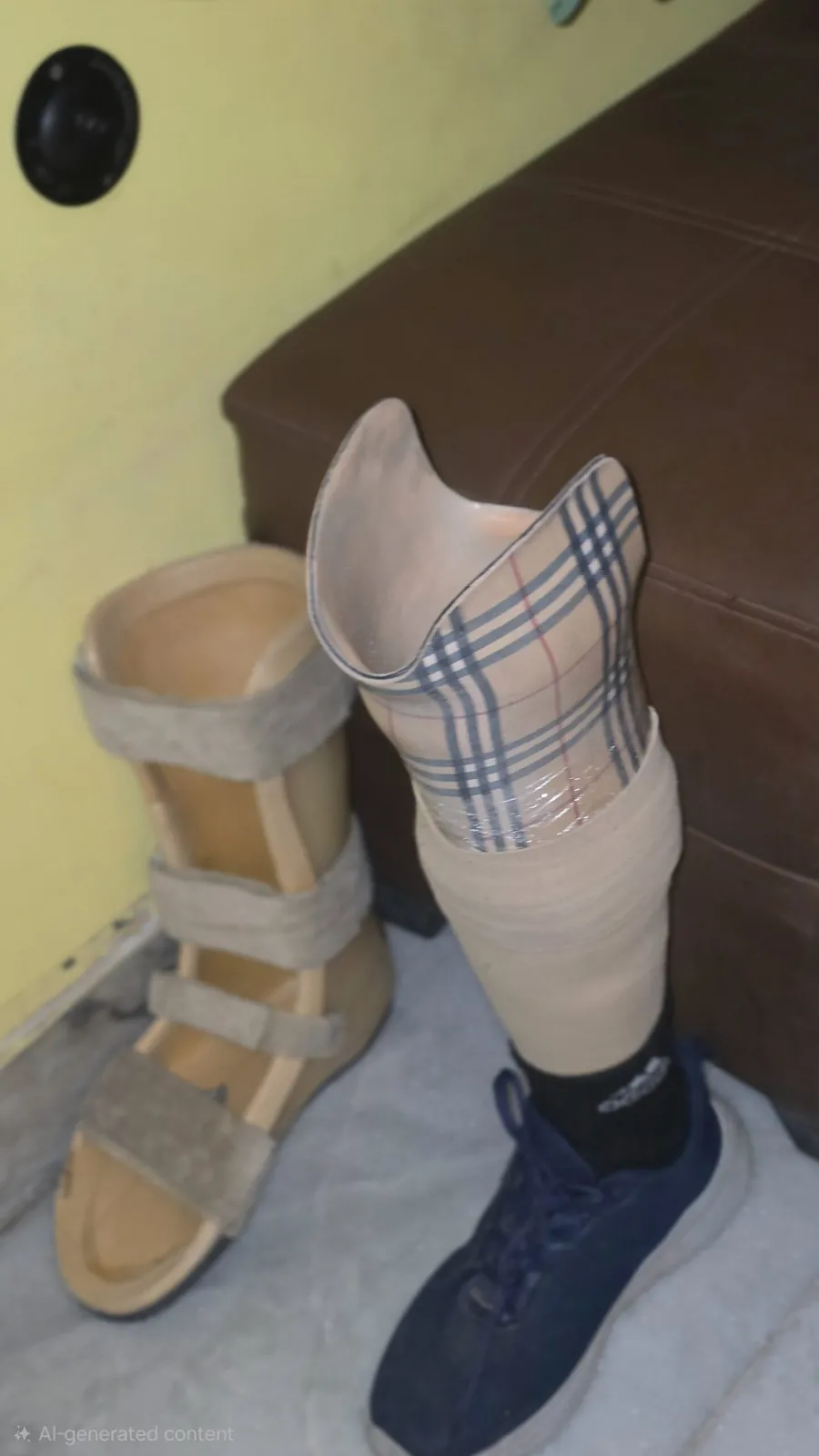
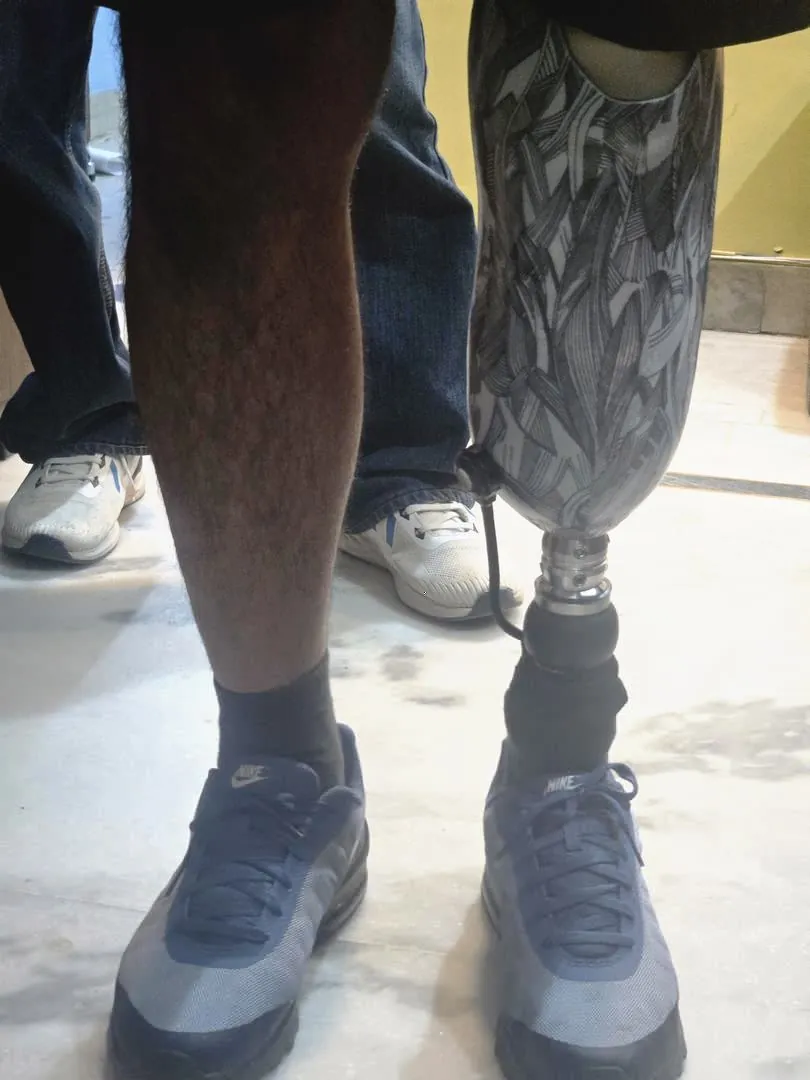
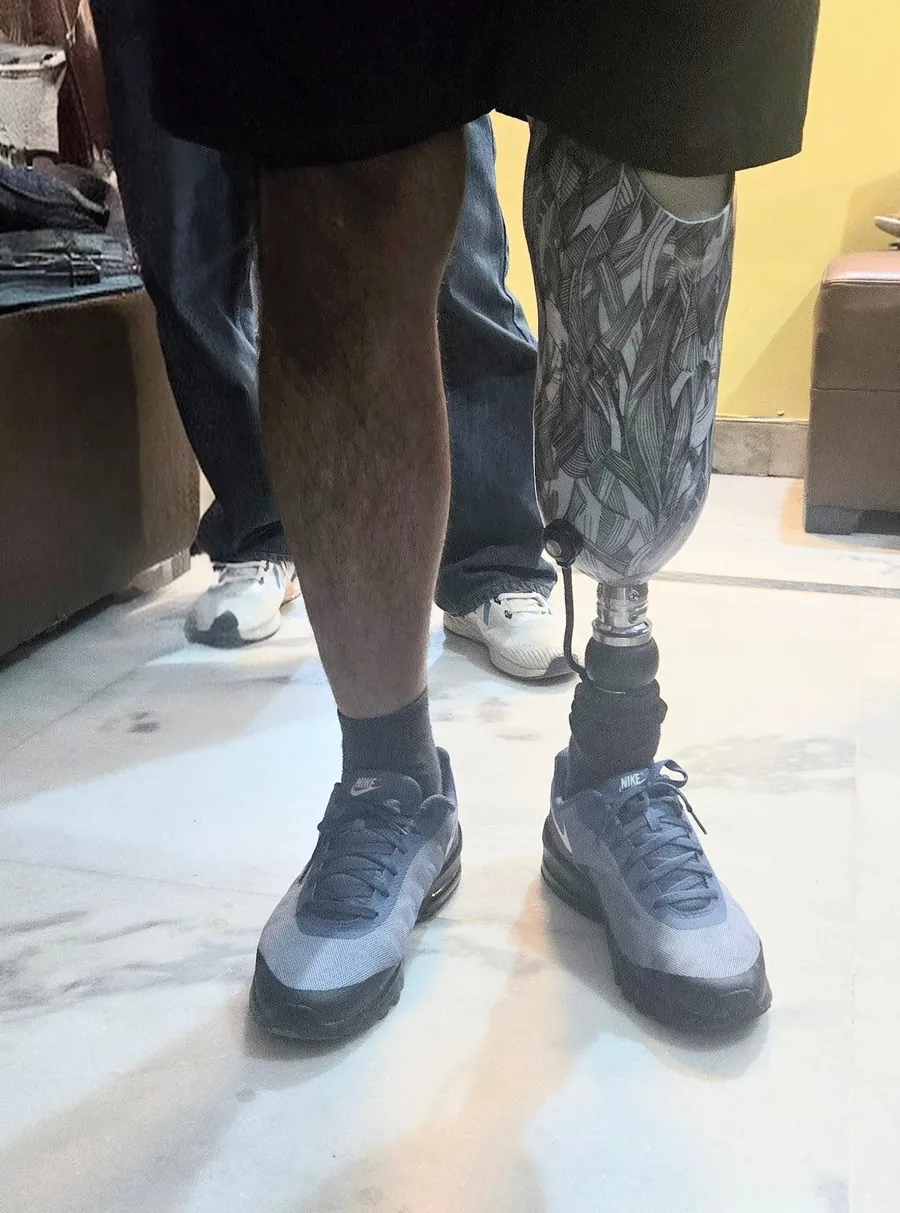
Every prosthesis has a socket (custom-made for your limb), a suspension method, modular components, and a foot; above-knee prostheses also need a knee.
- Sockets: made from casts or scans of your limb, with test sockets used to check fit before the final build.
- Suspension: straps and cuffs, pin-lock liners, suction with a sleeve, seal-in liners, or elevated vacuum systems. Read our Össur Unity vacuum case note.
- Feet: from basic SACH feet to dynamic carbon feet, chosen for your weight and activity.
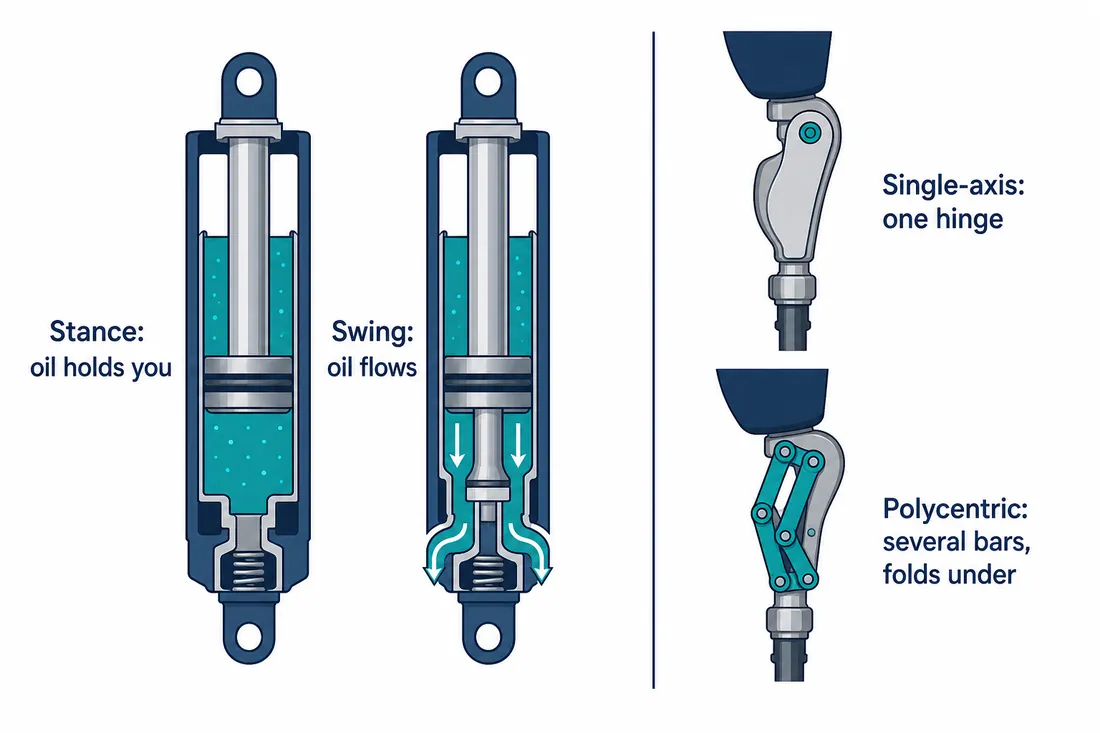
- Knees: mechanical, pneumatic, hydraulic or microprocessor. See pneumatic vs hydraulic knees.
We guide patients across brands including Össur, Ottobock and ALIMCO, and choose based on clinical need, goals and budget. See our guide to choosing the right below-knee prosthesis.
When can a prosthesis be fitted?
Timing depends on wound healing, swelling, overall health and your surgeon's clearance. For many people, the first fitting begins some weeks after surgery once the limb is healed and shaping well, but this varies widely. A temporary or preparatory prosthesis may be used first while the limb continues to change.
Walking again
Learning to walk with a prosthesis takes practice. Gait training with a physiotherapist, strengthening exercises and regular follow-up with your prosthetist all matter. Results vary from person to person, and we will be honest about realistic goals.
Book a consultation
Our main clinic and workshop is at Safdarjung Enclave: 42 Ground Floor, Street No. 1, Opp. Baba Balak Nath Mandir, Krishna Nagar, New Delhi 110029 (Monday to Saturday, 10am to 7pm). We also see patients at Apollo Hospital, Sarita Vihar and BLK-Max, Pusa Road; please call to confirm timings. Call 9810006111 or WhatsApp 9811706111. More: prosthetic services.